Understanding the Lifespan of Your Garage Door and How to Extend It Mar 16, 2026
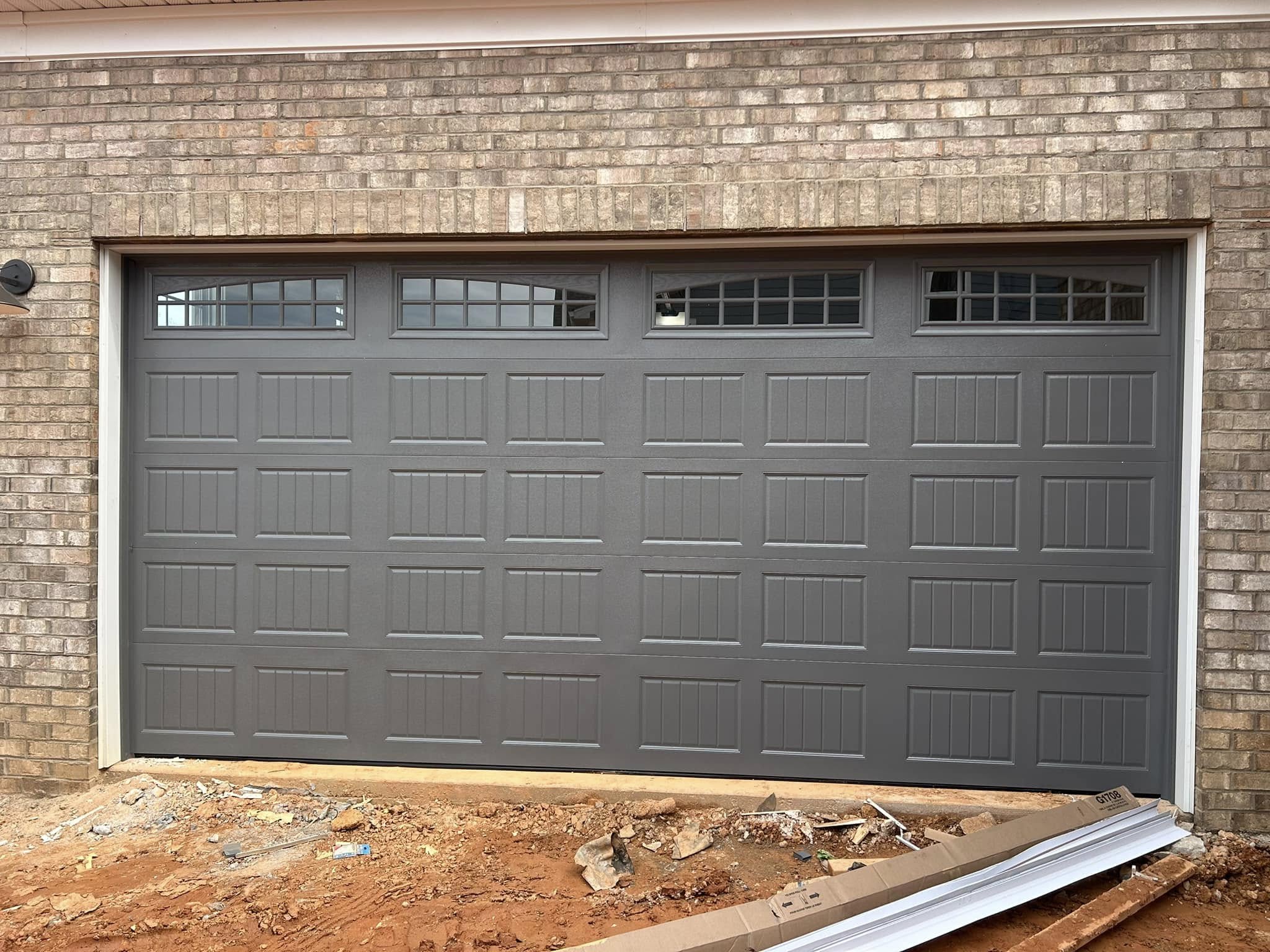
Garage doors are often one of the most frequently used entrances to your home, going through multiple cycles per day. On average, the lifespan of a garage door is typically around 15 to 30 years, which is contingent on several variables including the materials used, frequency of use, and maintenance habits. Steel doors are durable and resistant to weather, while wooden doors provide aesthetic charm with a need for more upkeep. Fiberglass and aluminum options offer lightweight, low-maintenance alternatives, each with their own unique benefits.
Understanding the daily wear and tear your garage door endures is essential to maintaining its integrity. Every time you open and close your garage door, the moving parts undergo stress. The springs, cables, rollers, and tracks all work in unison and need regular inspection and lubrication to function smoothly. Without proper care, these parts can wear out faster, shortening the lifespan of the entire system.
To extend the life of your garage door, start with regular maintenance. Simple tasks such as cleaning the exterior, lubricating the moving parts, and checking for any signs of wear can significantly improve its longevity. Moreover, addressing issues promptly, like replacing worn-out weather seals or fixing damaged panels, can prevent more severe problems and costly repairs down the line.
Choosing the right garage door opener also impacts the system's lifespan. Opt for a model that suits your door's weight and the frequency of use. A high-quality opener not only ensures smooth operation but also minimizes strain on the door system. Additionally, consider installing features like a soft start/stop, which reduces the jolt often experienced in standard openers, thereby reducing wear over time.
For those living in harsher climates, weatherproofing is crucial. Exposure to extreme temperatures, moisture, and UV rays can diminish the materials and components of your garage door. Investing in a door with proper insulation and weather seals can protect against these elements. Regularly checking and replacing weather stripping can also play a vital role in extending the life of your door.
Engaging professional services like those offered by JM Garage Door Enterprises LLC for annual inspections can make a substantial difference. Expert technicians can identify potential issues and perform critical maintenance tasks that may be outside the scope of a typical homeowner's expertise. This could include complex repairs or aligning the tracks, ensuring your garage door operates effectively for years to come.
In conclusion, while the average garage door can last anywhere from 15 to 30 years, taking proactive steps in maintenance and choosing quality materials and services can extend this lifespan. By understanding the factors that affect your garage door and actively addressing issues, you can enjoy a reliable, safe, and aesthetically pleasing garage entry for many years. Remember, your garage door is not just an entrance but a significant component of your home’s security and curb appeal. Keep it in top condition with the right care and expertise.
/filters:no_upscale()/filters:format(webp)/media/0f820ce0-e624-4d2e-8739-624f4da3a5a1.jpeg)
/filters:no_upscale()/filters:format(webp)/media/45324b9f-7c57-4339-8a03-fa06529fa419.jpeg)